How to Choose the Right Stone for Your Building Project
Choosing the right stone for your building project is one of the most important decisions you’ll make. Whether you're constructing a new home, restoring a period property, or building a garden wall, the type of stone you select will affect not just the appearance - but also durability, cost, and long-term maintenance.
In this East Midlands-focused guide, we’ll walk you through everything you need to consider when selecting the right natural stone for your project.
1. Understand the Purpose of Your Project
Start by defining exactly how the stone will be used. Different applications require different properties.
Structural building (houses, extensions) - requires durable, weather-resistant stone with consistent strength. Tight building regulations may put restrictions on the type of stone that can be used.
Walling (garden or boundary walls) - traditional walling stone, reclaimed or sawn on bed (sawn and cropped) stone is typically used
Landscaping (patios, edging, rockeries) - prioritise aesthetics and weather durability
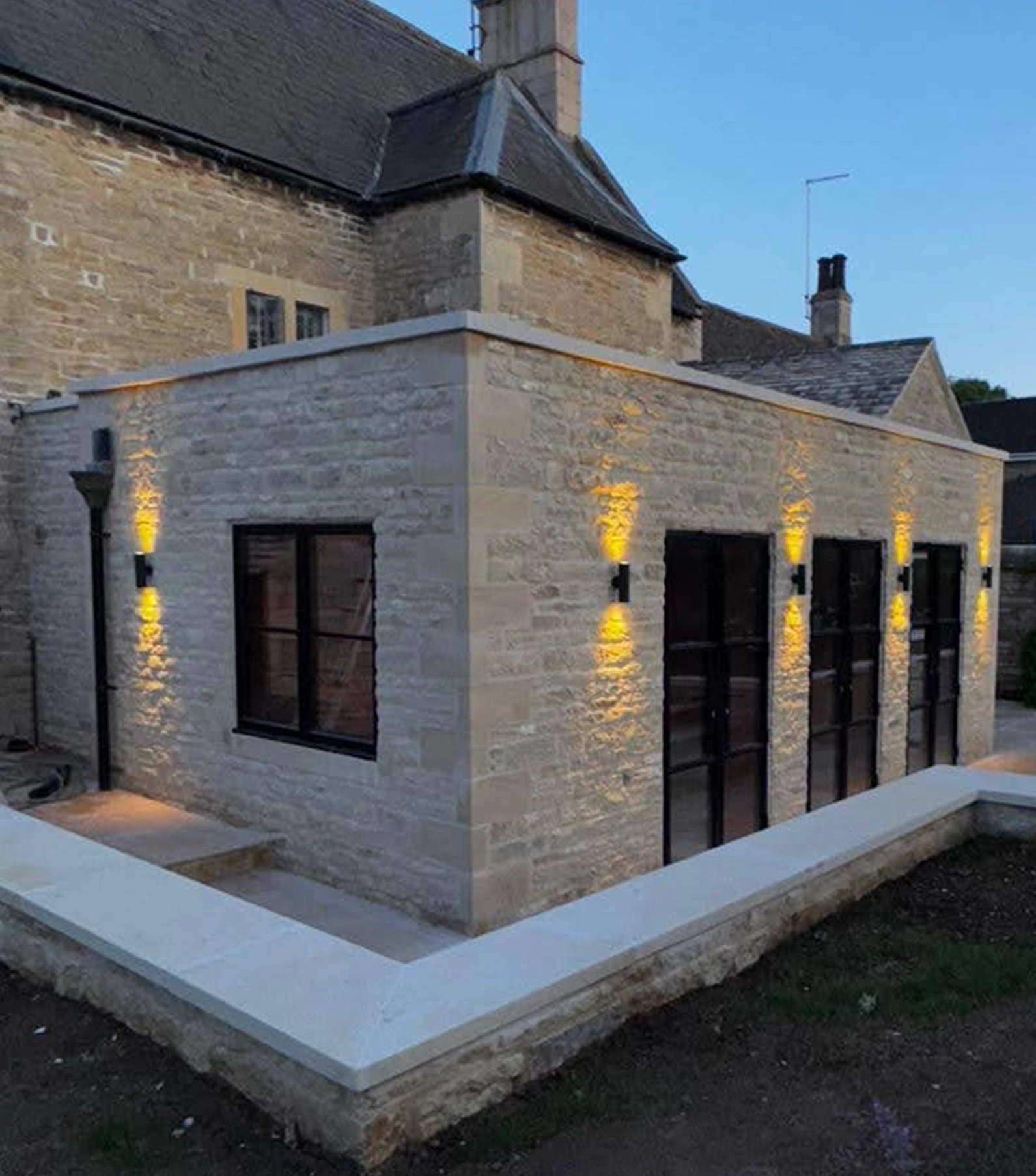
Reclaimed lincolnshire limestone cropped and dressed for an orangery in Stamford, Lincolnshire
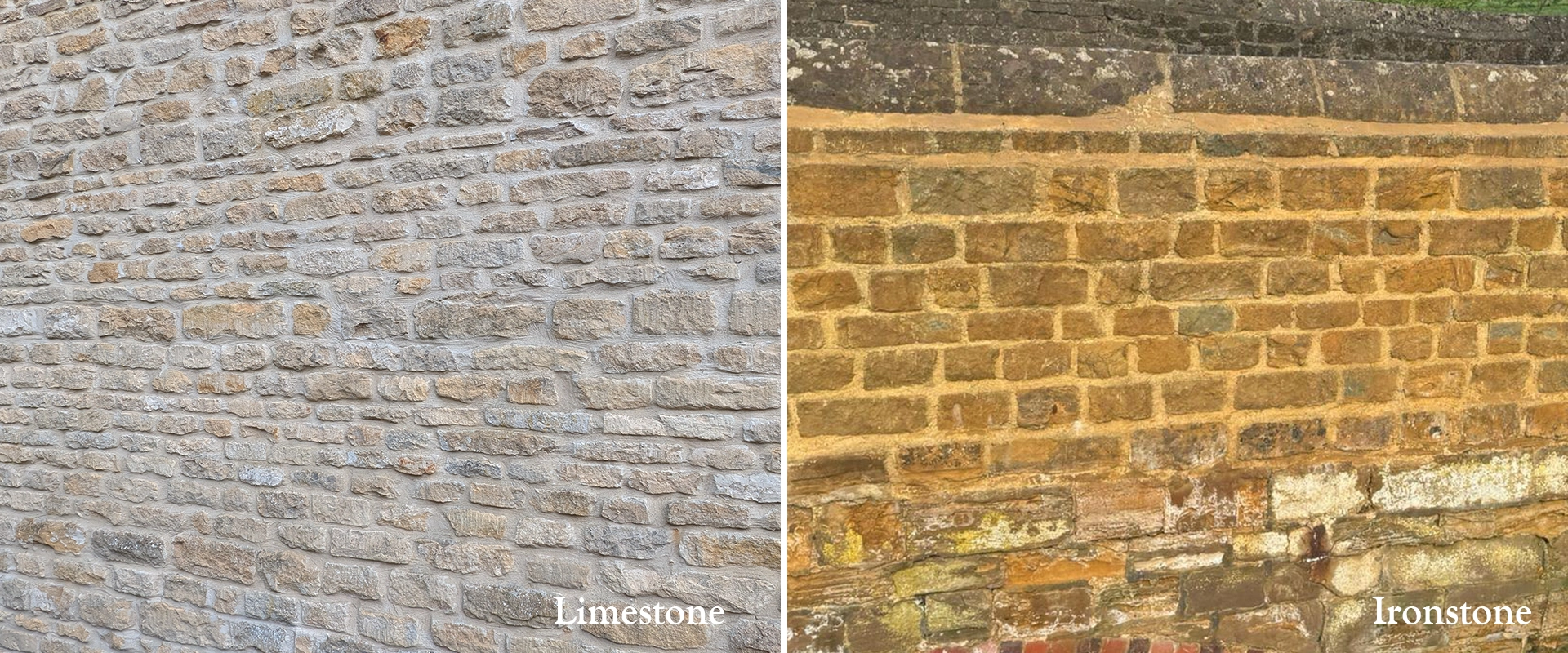
Limestone & Ironstone are both popular choices in the East Midlands. We sell various finishes for both types of stone suitable for a wide range of applications.
In many parts of the UK, local planning authorities encourage or require materials that match the surrounding area - especially in conservation zones.
Consider:
Local architectural styles
Existing buildings nearby
Planning permission requirements
Using regionally appropriate stone (such as ironstone in the Midlands) can improve approval chances and enhance the final look.
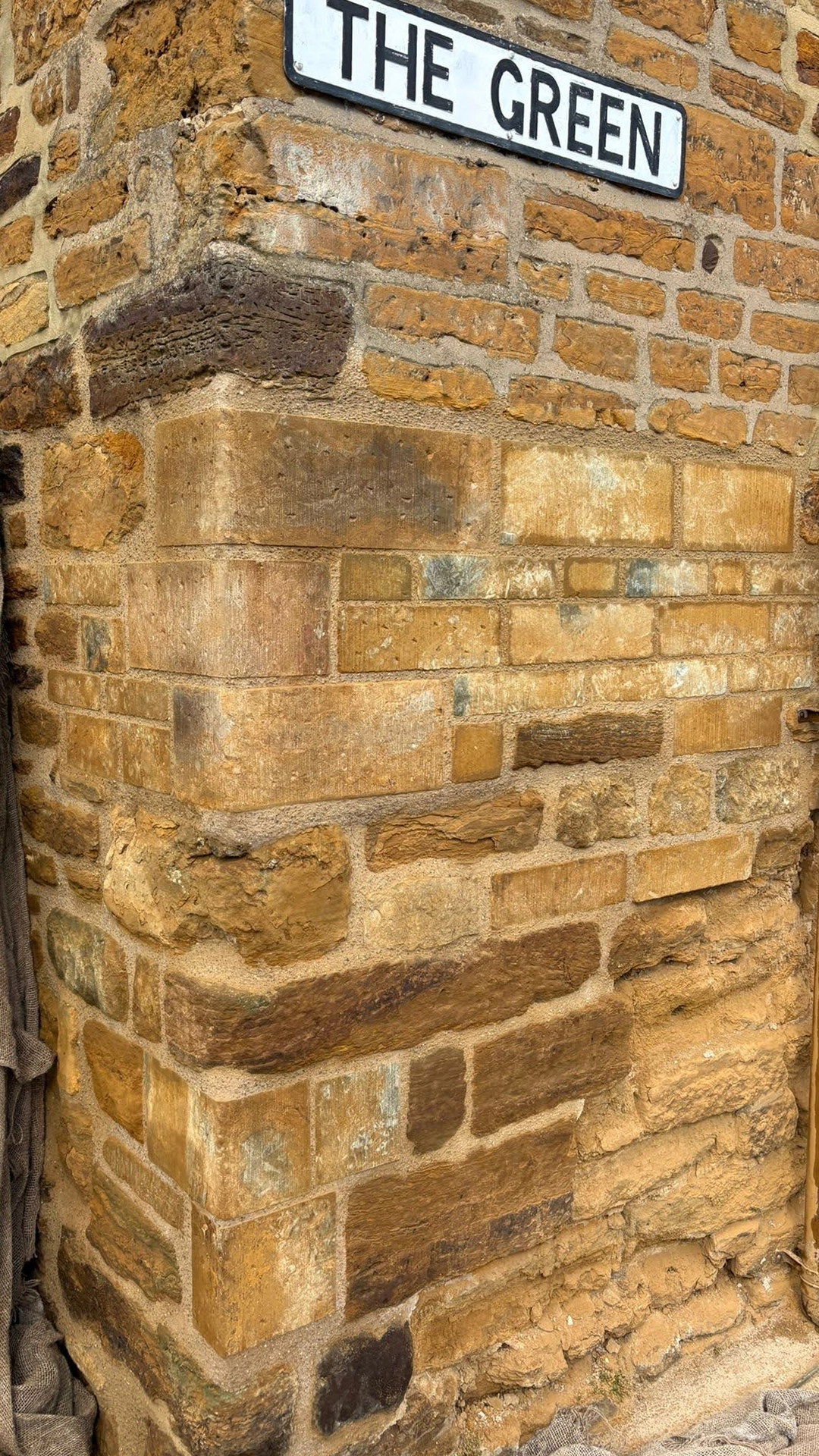
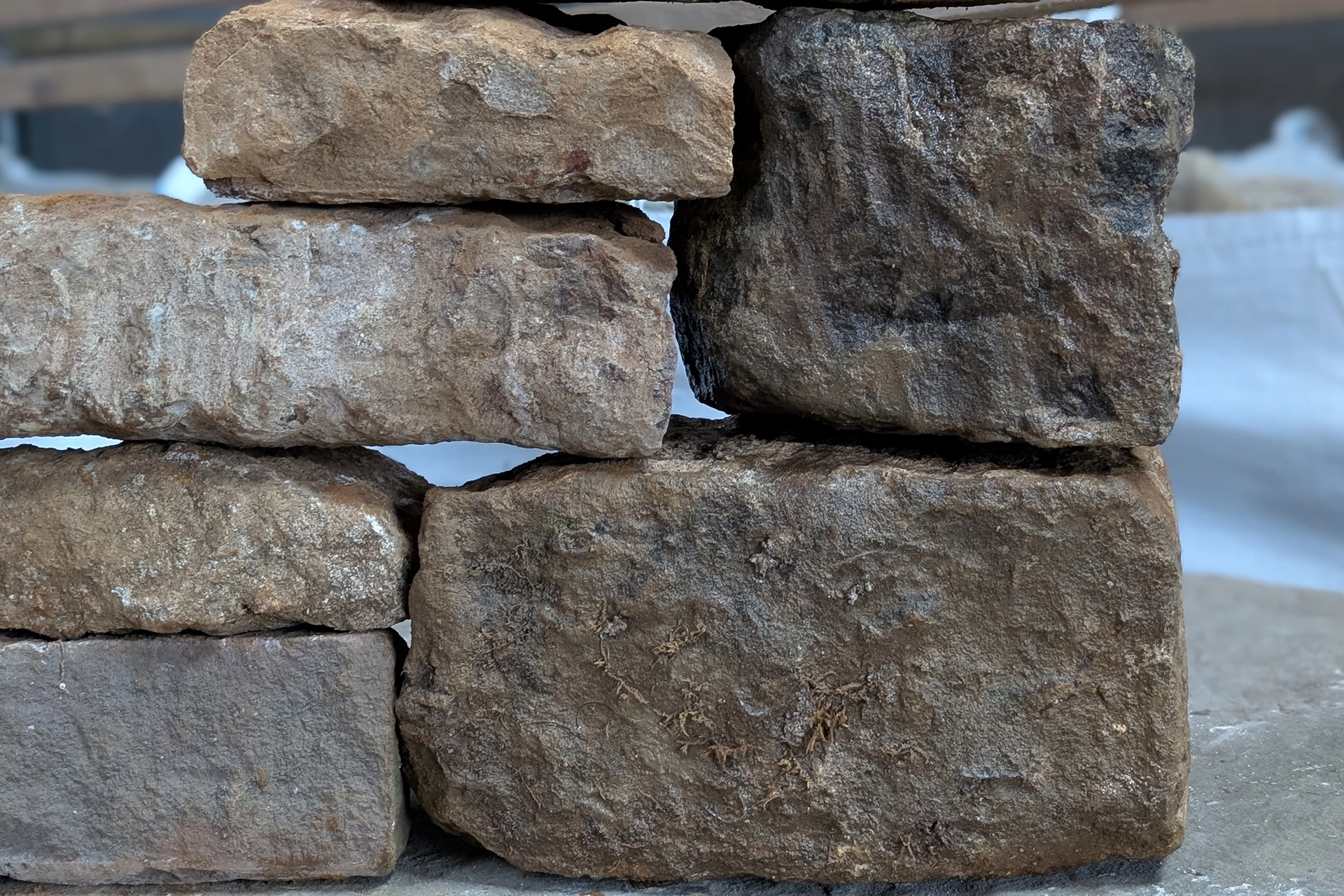
We cut these ironstone quoins to bespoke dimensions provided by the stonemason. They matched perfectly with the existing stonework on the listed property.
4. New vs Reclaimed Stone
Both options have their advantages:
Reclaimed Stone
Perfect for period properties and extensions
Weathered appearance for instant character
More sustainable choice
Our reclaimed Ironstone quoins have been used on restoration projects throughout Northamptonshire & Rutland
Natural stone prices can vary significantly depending on type, availability, and finish.
Factors affecting cost:
Stone type (ironstone is often more premium)
New vs reclaimed materials
Processing (cut, dressed, or random walling)
Transport and sourcing
Tip: Mixing materials (e.g. Orangery/extension walls in Ashlar sawn stone, garden walls in sawn & cropped) can help balance cost and appearance.
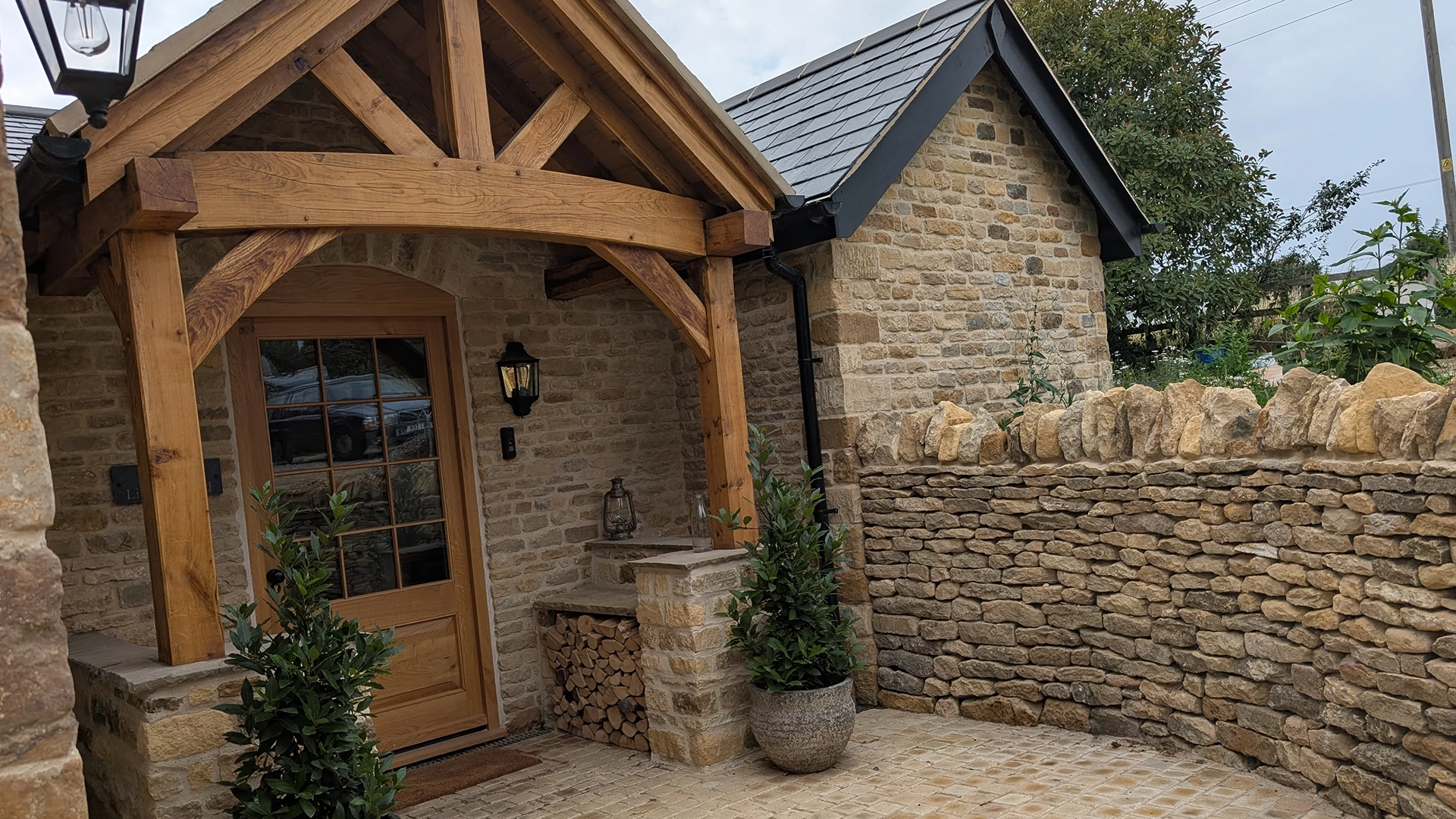
On this job near Oakham, Rutland, we supplied cropped reclaimed limestone for the extension to match the existing cottage as well as reclaimed & new dry stone walling stone for the dry stone retaining walls. The overall blend of materials and stonemasonry methods works perfectly and was more cost effective.
6. Think About Durability and Weather Resistance
The UK climate can be harsh, so your stone needs to withstand:
Rain and moisture
Frost and freeze-thaw cycles
Pollution and weathering
No matter which option you choose, all of our stone is carefully selected for it's durability.
7. Decide on Finish and Style
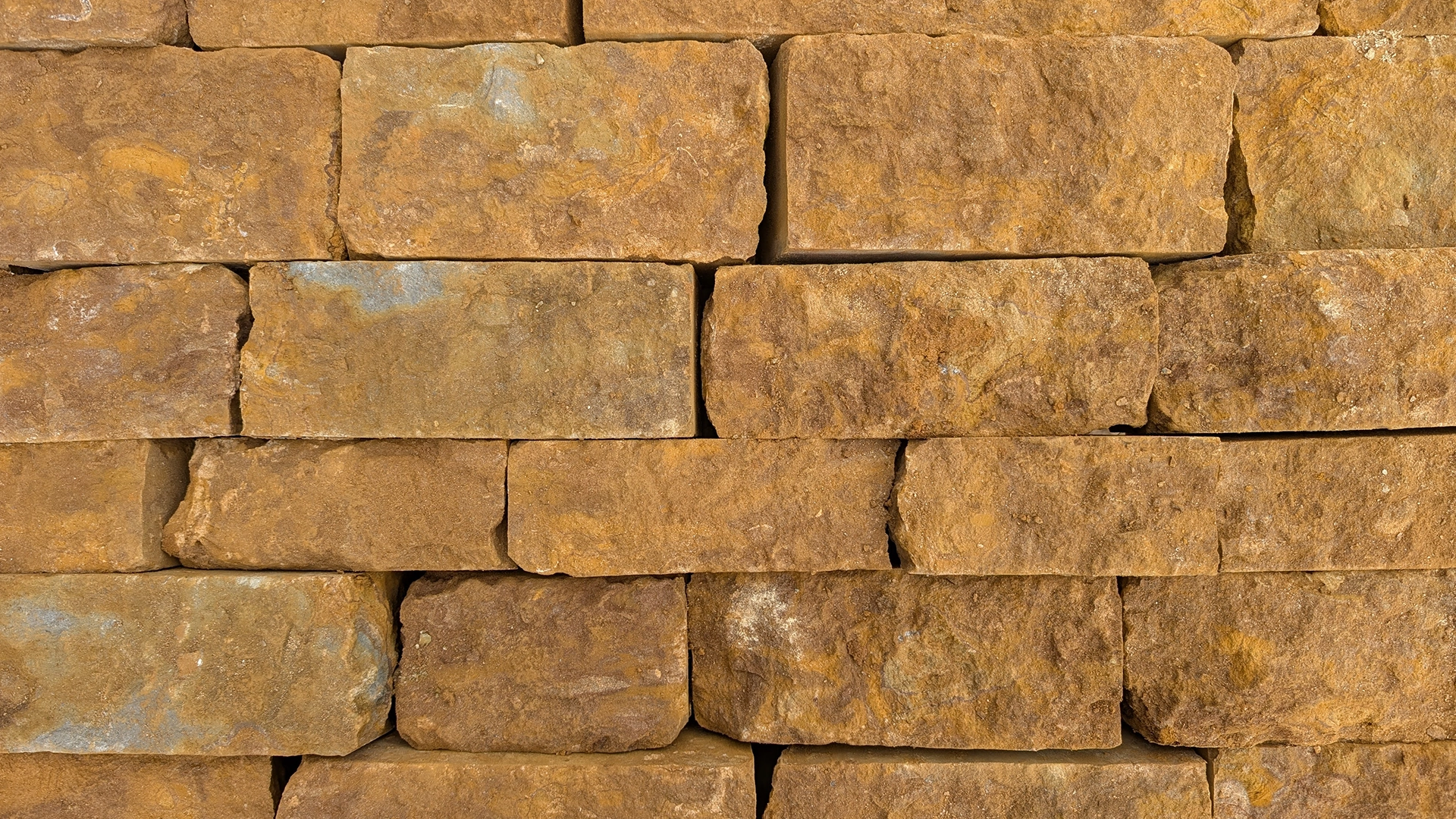
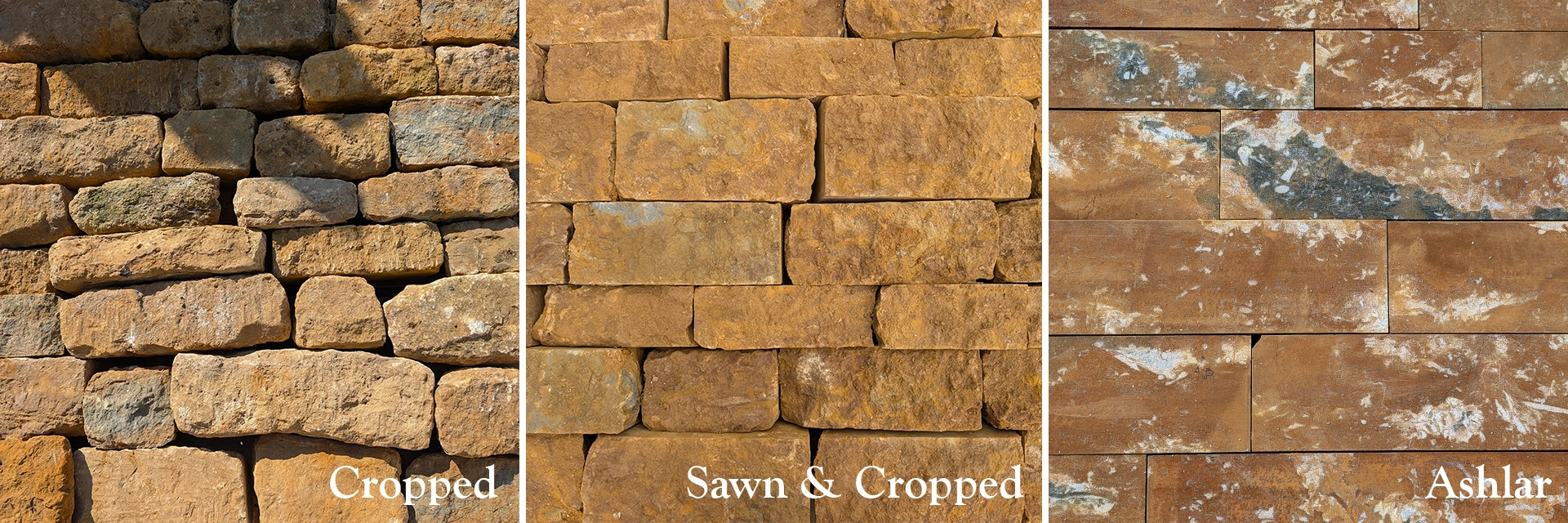
A selection of finishes on our Ironstone. Ashlar is the premium option, cropped is perfect for restoration projects and sawn & cropped (otherwise known as Sawn on Bed) is faster to lay (resulting in a cheaper overall project)
Stone can be supplied in different finishes, which affect both appearance and usability:
Cropped / natural - Cropped on our specialist stone splitters and then hand-dressed. Our most popular products are cropped stone often used for restoration projects and heritage builds.
Sawn & Cropped (Sawn on Bed)- Sawn top and bottom then cropped for a rustic appearance. Suitable for faster laying times and often the cheapest option.
Ashlar - The most premium option, sawn on all 6 sides and only produced from the best quality stone, a smooth appearance for contemporary builds as well as restoration project.
Dry Stone - As well as traditional dry stone walling in landscaping projects, dry stone effect walls are becoming a popular option for feature walls, both internal and external.
Example: Cropped finishes are especially popular for traditional builds - see our most popular option above.
8. Work with a Trusted Supplier
A knowledgeable stone supplier can make a huge difference to your project. They can help you:
Identify the right stone type
Match existing materials
Estimate quantities accurately
Ensure consistent quality
Just as importantly, a good supplier will be able to provide matching architectural masonry to complement your chosen stone.
This includes:
Stone headers and lintels
Quoins (corner stones)
Window sills and surrounds
Coping stones and detailing
Using matching masonry elements ensures a consistent, high-quality finish across your project - especially important for extensions, period properties, and traditional builds.
Tip: Choosing a supplier who can match both your walling stone and architectural details will save time and ensure everything works together visually.
Final Thoughts
Choosing the right stone isn’t just about looks - it’s about selecting a material that fits your project’s purpose, environment, and budget.
By considering:
Function
Stone type
Local style
Budget
Durability
you’ll be in a strong position to make the right decision.
Need Help Choosing the Right Stone?
If you're unsure which material is best for your project - or need help matching architectural features - our team is happy to help.